Politics & Government
AG: Warning, Tips for Home Owners in Wake of Hurricane Sandy
AG advises getting a written contract for any home repair costing more than $500 as Pennsylvanians recover from Hurricane Sandy

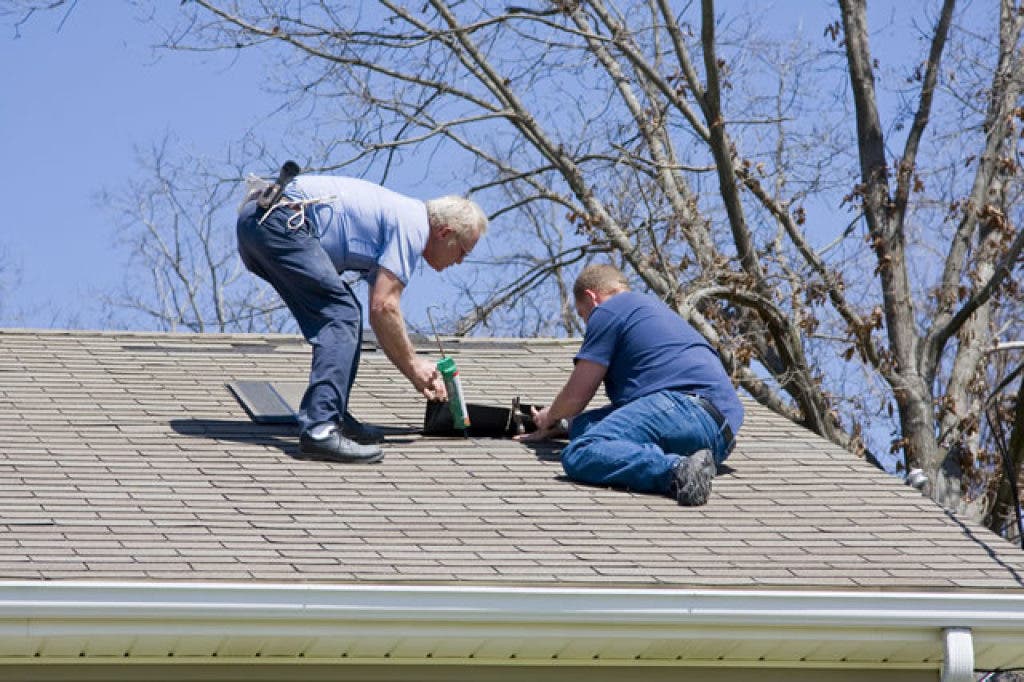
HARRISBURG - Attorney General Linda Kelly urged Pennsylvania residents to be cautious about storm-related consumer problems and potential scams in the coming days, as residents assess damage and communities work to recover from Hurricane Sandy.
"Natural disasters can be a magnet for scam artists and unscrupulous operators who are more interested in taking money from storm victims than in helping with repairs," Kelly said. "Consumers should remain vigilant, understand their rights and carefully evaluate any contractors they hire to repair homes or to address other storm damage."
Kelly noted that the most common topics for consumer complaints following disasters include home repair scams, government loan or grant schemes, fraudulent disaster-related fundraising efforts and concerns about price gouging.
Find out what's happening in Bethlehemwith free, real-time updates from Patch.
Home Repairs
"It is understandable to homeowners to look for speedy repairs, attempting to return to 'normal' activities as quickly as possible, but consumers should not allow the desire for immediate repairs to cloud their judgment regarding contractors," Kelly said.
Find out what's happening in Bethlehemwith free, real-time updates from Patch.
Kelly explained that all home improvement contractors who do more than $5,000 worth of business per year in Pennsylvania are required to register with the Attorney General's Bureau of Consumer Protection. Additionally, all of those businesses are required to provide consumers with specific information before proceeding with any project, including:
- The contractor's registration number, which must be included in all contracts, estimates and advertisements.
- A written contract for any project costing more than $500.
- Information about the consumer's three-day right to cancel a home improvement contract.
- Details about the materials and labor included in the project.
- Total cost of the work.
- A specific start-date and end-date for the project.
Additionally, Kelly explained that the state's Home Improvement Consumer Protection Act limits the amount of any up-front payments that contractors can collect. For projects costing more than $5,000, contractors may not accept advance payment of more than one-third of the total price of the contract.
Kelly also encouraged consumers to get multiple estimates for any major project, to check references for recent work before committing to a project and to be wary of individuals who approach you with stories of "just being in the neighborhood" or other unsolicited offers that seem "too good to be true."
Warning signs for potential home repair scams include:
- Unsolicited door-to-door sales pitches.
- Requests for large up-front payments.
- No written estimates or contracts.
- Offers to perform work using "left over" or "discount" materials from other jobs.
- High-pressure sales pitches.
"When consumers understand their rights, they are much better prepared to identify and avoid potential scams," Kelly said. "If you encounter a contractor who is not providing the information required by Pennsylvania law, we encourage you to file a complaint with our office and consider using another business for your project."
Government loan or grant scams
Kelly said that government aid for communities and businesses is often a major topic of public discussion and media coverage following a disaster, but many victims may not be familiar with how those programs operate.
"Scam artists attempt to prey on desperate storm victims who are looking for assistance - requesting up-front payments in order to process applications for 'loans' or other 'disaster aid,' or to search for grants and other funds," Kelly said. "It is important for everyone to understand that legitimate government assistance programs and relief agencies do not ask for pre-payment from disaster victims." Kelly urged storm victims to contact their local governments directly to get a list of available disaster-relief programs - checking with their local city, borough or township office; their county emergency management office; the Pennsylvania Emergency Management Agency (http://www.pema.state.pa.us/portal/server.pt/community/disaster_assistance/4687); the Federal Emergency Management Agency (http://www.fema.gov/); and the U.S. Small Business Administration, along with established private relief organizations such as the American Red Cross.
Fictitious Fundraising Efforts
Kelly said that in times of disaster, scammers may attempt to take advantage of peoples' desire to help their neighbors by collecting contributions for non-existent charities or other deceptive solicitations.
Kelly urged consumers to consider the following tips:
- Be wary of high-pressure tactics and door-to-door collections.
- Ask for details about any charity before you make a donation.
- Request information about how funds will be spent (legitimate charities will tell you what percentage of your gift will go toward community services, operating expenses or fundraising).
- Make contributions directly to the charity - do not give cash donations.
Charitable organizations operating in Pennsylvania are required to register with the PA Department of State. Consumers can check the registration status of charities using the Department of State?s searchable online database at http://web.dos.state.pa.us/cgi-bin/Charities/char_form.cgi or by calling the Department of State Charities Bureau at 1-800-732-0999.
Price Gouging
Kelly said that Pennsylvania?s price gouging law is intended to protect consumers and businesses from sudden, unwarranted price increases during emergency situations.
The price gouging restrictions were triggered by Governor Corbett?s declaration of a disaster emergency on October 26th and apply to anyone involved in the distribution or sale of consumer goods or services. The price restrictions apply to businesses involved in direct consumer sales, along with manufacturers, suppliers, wholesalers and distributors.
Gouging is defined as a price increase of more than 20% above the average prices observed during the week before the emergency declaration.
Kelly said the price gouging law gives the Attorney General's Bureau of Consumer Protection the authority to investigate price gouging complaints and allows for penalties of up to $10,000 per violation.
Kelly encouraged consumers to report potential price-gouging or other consumer related scams by submitting an online consumer complaint using the Attorney General's website, at www.attorneygeneral.gov (Click on the "Complaints" button on the front page of the website and then select the "Consumer Complaint Form").
Consumers who do not have access to a computer can call the Attorney General's Consumer Protection Hotline, at 1-800-441-2555 (Monday through Friday during normal business hours)
Get more local news delivered straight to your inbox. Sign up for free Patch newsletters and alerts.
